
Product
Why six months matters
· 6 min read
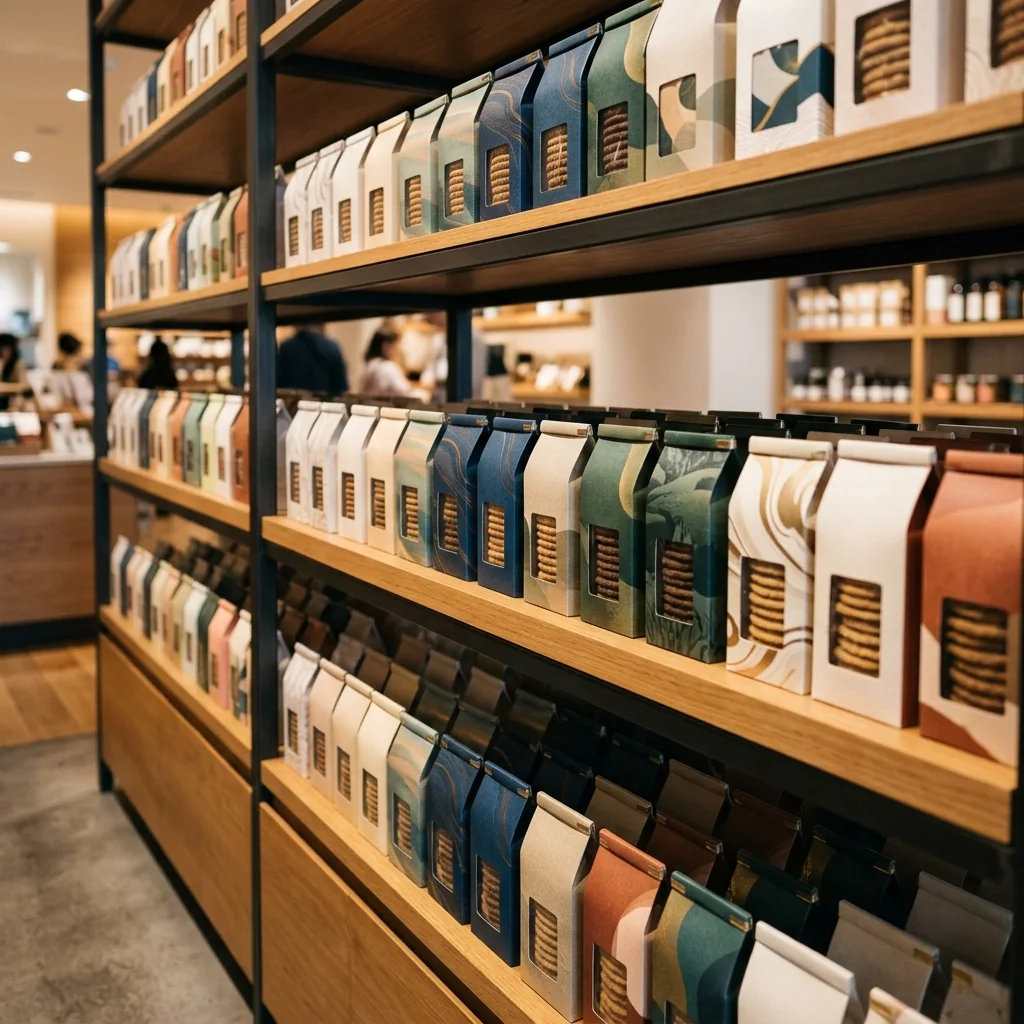
Every bakery product carries an invisible constraint: how far it can travel before it stops being worth selling. Shelf life sets that radius. When a product has a short shelf life, it can only serve the immediate geography, severely limiting its commercial potential and placing intense pressure on logistics.
A six-month shelf life changes the fundamentals of a bakery business. It is the dividing line between a local artisan baker and a regional commercial brand. To bridge that gap, you need deep understanding of formulation, moisture control, and packaging.
The distribution maths
A six-month life changes what a distributor can plan. Stock can move through a warehouse, sit in a delivery cycle, and still reach a shelf with enough runway to sell through.
- Longer ordering cycles and larger, more efficient drops which reduce transport costs
- Room for slower-turning outlets without the constant fear of expensive write-offs
- Realistic reach into markets beyond the immediate region, enabling a truly GCC-wide footprint
- Better relationships with retailers who value reduced wastage and predictable restocking
Six months on shelf. Tastes like it left the oven this morning.
The harder part is holding taste across that window. It's one thing to make a cookie last six months; it's entirely another to ensure that the texture remains satisfyingly crunchy and the flavours stay vibrant. That is a formulation and process question, and it is where decades of manufacturing experience earn their keep.
Our research and development team spent months adjusting baking temperatures, resting times, and packaging materials to ensure that the Pandur cookie you eat on day 180 is indistinguishable from the one you eat on day 1. That is our true competitive advantage.